
Many car owners believe that as long as their vehicle is regularly washed, the paint will remain in good condition. Unfortunately, Singapore’s environment tells a different story. Between intense UV exposure, heavy rain, road grime, and improper washing techniques, your car’s paintwork slowly deteriorates — often without you noticing until the damage becomes obvious.
Paint correction is not just for heavily damaged cars. In fact, the best time to do it is before the paint reaches a critical condition. Here are five clear signs your vehicle may need professional paint correction.
- Swirl Marks Under Sunlight
Have you ever parked under direct sunlight and noticed circular spider-web-like patterns on your paint? These are swirl marks — micro-scratches usually caused by automated car washes, rough cloths, or improper drying methods.
Swirl marks don’t just affect appearance. Over time, they dull the paint surface, reduce gloss, and make your car look older than it actually is. Paint correction safely levels the clear coat to remove these imperfections and restore clarity.
- Oxidation and Faded Paint
Singapore’s UV rays are strong year-round. Prolonged exposure breaks down the clear coat layer, causing oxidation. The result? Paint that looks chalky, faded, or uneven — especially noticeable on darker-coloured cars.
Once oxidation sets in, waxing alone will not fix the issue. Professional paint correction removes the damaged layer and restores depth and shine before sealing it with protection such as ceramic or graphene coating.
- Water Spot Etching
Rainwater and mineral-heavy tap water can leave behind stubborn water spots. If left untreated, these mineral deposits can etch into the clear coat permanently.
If you notice marks that do not disappear after washing, it’s likely that etching has already begun. Paint correction can safely remove light to moderate etching before it becomes irreversible.
- Rough Paint Surface
Run your fingers lightly across your car’s surface after washing. Does it feel rough instead of smooth? This indicates bonded contaminants such as industrial fallout, brake dust particles, or environmental pollutants embedded in the paint.
While claying can remove surface contamination, deeper imperfections often require correction polishing to restore a perfectly smooth finish.
- Loss of Gloss and Depth
When new, your car’s paint has depth, reflection, and a glass-like finish. Over time, improper washing and environmental damage reduce its clarity.
If your car looks dull even after waxing, it’s a strong sign that the issue lies beneath the surface. Paint correction restores optical clarity, allowing protective coatings to bond more effectively and last longer.
Why Timing Matters
Many car owners wait until the paint looks “very bad” before seeking professional help. Unfortunately, severe defects may require heavier correction, removing more of the clear coat.
Clear coat thickness is limited. The earlier imperfections are addressed, the less aggressive the correction needs to be. This preserves your paint’s long-term health and resale value.
What Happens During Professional Paint Correction?
A proper paint correction process is meticulous and time-intensive. It typically involves:
- Thorough decontamination wash
- Paint inspection under specialised lighting
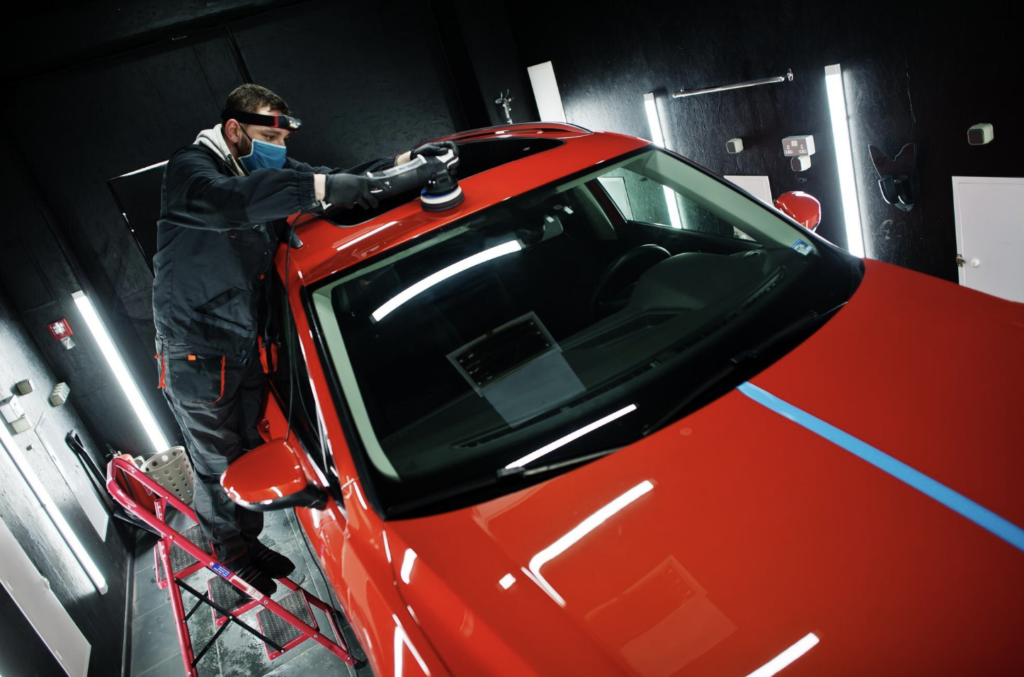
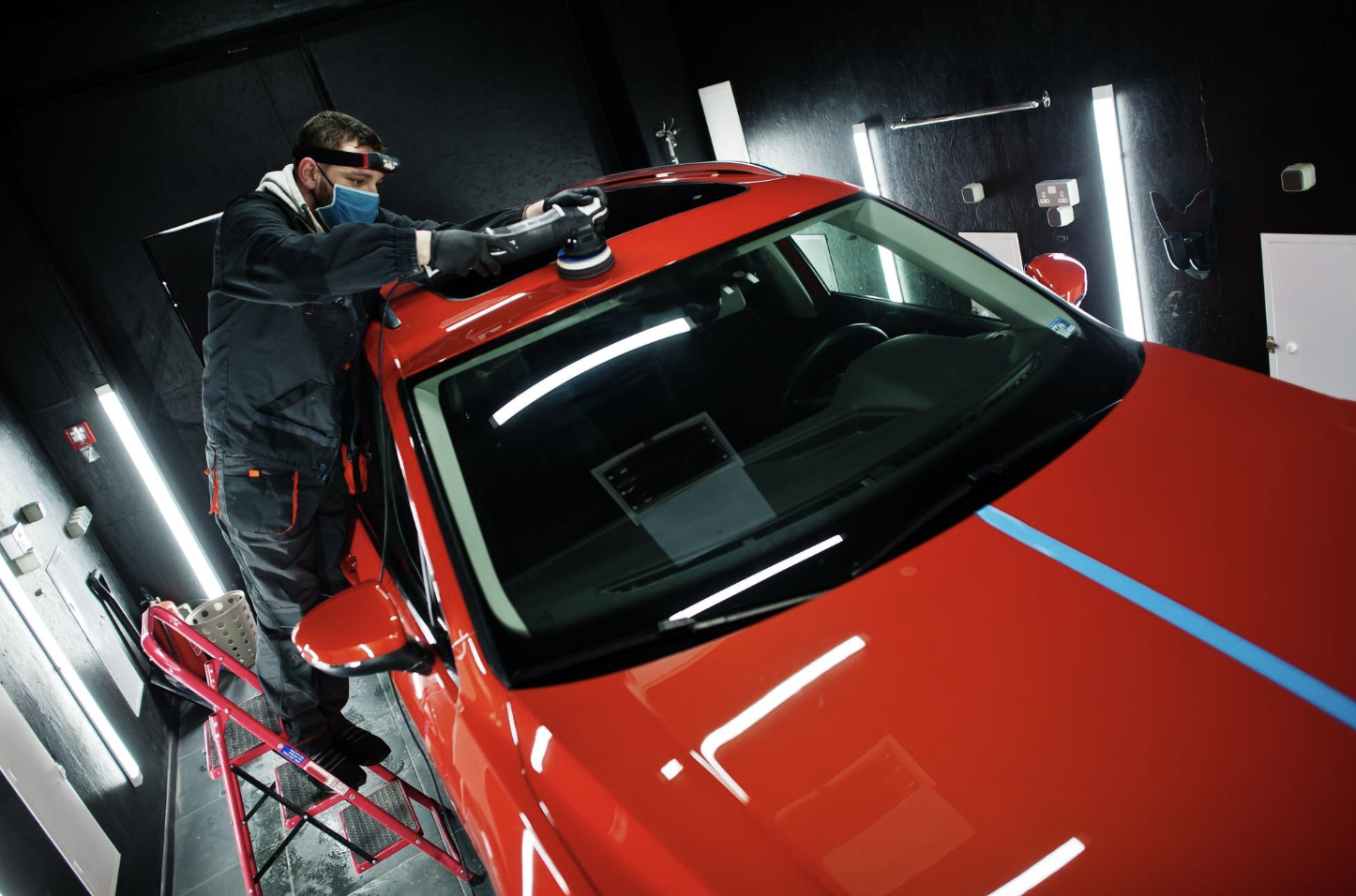
- Multi-stage machine polishing
- Panel-by-panel refinement
- Final inspection and surface preparation
Each vehicle is assessed individually. Some may require a single-stage polish, while others need multi-stage correction to achieve optimal clarity.
Pairing Paint Correction with Coating
After correction, the paint surface is at its purest state. This is the ideal time to apply long-term protection such as ceramic or graphene coating. The coating locks in the corrected finish and protects against:
- UV damage
- Chemical stains
- Bird droppings
- Minor scratches
- Water spotting
Without proper protection, defects will slowly return.
Prevention Is Always Better Than Cure
To reduce future paint damage:
- Avoid automated brush car washes
- Use proper two-bucket hand washing method
- Dry with microfiber towels
- Park under shelter whenever possible
- Apply protective coating
Conclusion
Paint correction is not just about aesthetics — it is about preserving your vehicle’s condition in Singapore’s demanding climate. If you notice swirl marks, fading, water spot etching, or reduced gloss, it may be time for a professional assessment.
At Klar Details, every vehicle undergoes detailed inspection before any polishing begins. Because when it comes to paintwork, precision matters — and every detail counts.
Contact us for a personalised assessment today.
