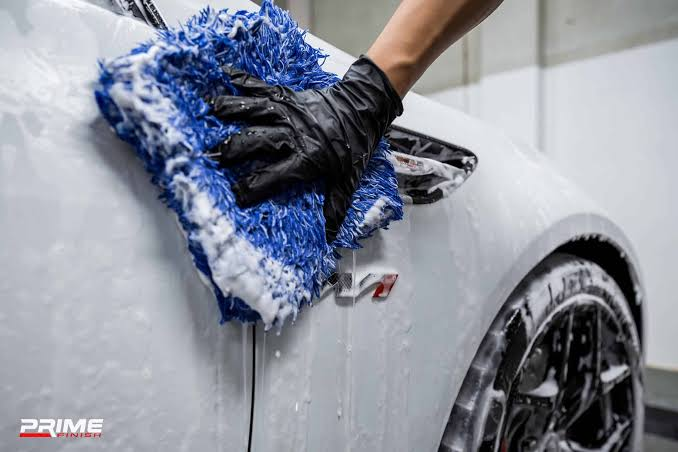
A ceramic coating can give your car a glossy finish, improve water repellency and make routine washing easier. But there is one common misconception: a coated car does not need regular maintenance.
Even with professional paint protection, road grime, dust, bird droppings and mineral deposits can accumulate on the surface. Incorrect washing techniques may also introduce swirl marks or affect the coating’s performance.
If you want to keep your vehicle looking its best in Singapore, understanding how to wash a ceramic-coated car correctly is essential.
Quick Answer: What Is the Best Way to Wash a Ceramic-Coated Car?
Wash a ceramic-coated car with a pH-neutral automotive shampoo suitable for coated surfaces, clean microfibre wash materials and gentle techniques. Rinse thoroughly, avoid washing in direct sunlight on hot panels and dry the vehicle with a clean, soft towel or suitable drying equipment.
Avoid abrasive brushes, harsh chemicals and household detergents that may be unsuitable for the coating. Follow the coating manufacturer’s maintenance instructions for the best results.
1. Start With a Thorough Rinse
Before touching the paint, rinse away loose dirt and grit.
This step reduces the amount of abrasive contamination that may be dragged across the surface during washing.
Pay particular attention to:
- Lower doors and side skirts.
- Wheel arches and bumpers.
- The rear of the vehicle, where road grime may collect.
- Areas around badges and trim.
Use an appropriate water pressure and avoid directing high-pressure water at damaged paint, loose trim or vulnerable seals.
2. Use a Suitable Car Shampoo
Not all cleaning products are formulated for the same purpose.
A suitable pH-neutral automotive shampoo can help remove everyday dirt without unnecessarily compromising the coating’s intended performance.
Avoid assuming that stronger chemicals clean better. Heavy-duty degreasers, abrasive cleaners and unsuitable household products may affect the coating or surrounding materials.
Always follow the shampoo’s dilution instructions and the coating manufacturer’s guidance.
3. Wash With Clean Microfibre Materials
One of the most important parts of safe car washing is reducing friction from trapped dirt.
Use clean wash mitts or microfibre materials and work in manageable sections. Rinse your wash materials regularly so grit is not carried from one panel to another.
Avoid using the same dirty cloth on the wheels and paintwork.
If the vehicle is heavily contaminated, a professional wash process may include additional steps before contact washing begins.
4. Rinse Thoroughly to Remove Residue
Shampoo left behind can create streaks or spots as the water evaporates.
Rinse all panels thoroughly, including areas around mirrors, badges, door handles and trim. Pay attention to panel gaps where water and cleaning residue can remain trapped.
KlarDetails describes using a pure-water final rinse as part of its detailing approach. Deionised water can reduce mineral residue during drying, although the result also depends on the water quality, drying conditions and washing technique.
Learn more about KlarDetails’ pure-water final rinse process.
5. Dry the Car Safely
Leaving water to evaporate can allow mineral deposits to remain on the paint, particularly in warm conditions.
After rinsing:
- Use a clean, soft drying towel or suitable drying equipment.
- Dry the panels gently without excessive pressure.
- Check mirrors, badges and trim for trapped water.
- Avoid using a dirty or rough towel.
If you notice stubborn water spots, do not immediately scrub harder. Some deposits may require a suitable water-spot remover or professional assessment.
6. Why Does My Ceramic-Coated Car Still Get Dirty?
A ceramic coating is not a self-cleaning force field.
It can help water bead and make some contaminants easier to remove, but dust, road film, tree sap, bird droppings and other substances can still accumulate.
Water beading alone also does not provide a complete assessment of coating condition. Contamination, maintenance products and environmental factors may influence how water behaves on the surface.
If washing no longer produces the results you expect, the coating may need maintenance, decontamination or inspection.
7. How Often Should You Wash a Ceramic-Coated Car in Singapore?
There is no single washing schedule that suits every vehicle. The right frequency depends on where you park, how often you drive, weather exposure and how quickly the car becomes dirty.
As a practical starting point:
- Regularly driven vehicles: Wash when visible dirt accumulates, often around weekly or every two weeks.
- Vehicles parked outdoors: Inspect more frequently for bird droppings, tree sap and water spots.
- Cars exposed to heavy road grime: Clean as needed rather than allowing contamination to build up.
These are general guidelines, not strict rules. Adjust the routine to your vehicle’s actual condition.
8. When Should You Consider Professional Coating Maintenance?
Professional maintenance may be worth considering when:
- The paint feels contaminated even after washing.
- Water behaviour changes noticeably and persists after cleaning.
- Water spots or stubborn deposits remain.
- The coating is approaching its recommended maintenance interval.
- You want the surface inspected before deciding on additional treatment.
Do not automatically apply another coating layer whenever performance changes. A proper assessment can help determine whether the issue is contamination, maintenance needs or coating deterioration.
Explore KlarDetails’ maintenance and detailing services to learn about available care options.
Frequently Asked Questions
Can I use normal car shampoo on a ceramic-coated car?
A suitable automotive shampoo is generally preferred. Check that it is compatible with your coating and follow the manufacturer’s care instructions.
Can I take a ceramic-coated car through an automatic car wash?
It depends on the wash system. Some automated brushes may introduce swirl marks, while touchless systems may use stronger chemicals. A careful hand wash is often a better choice for maintaining the finish.
Does ceramic coating prevent water spots?
No. It may make cleaning easier, but mineral deposits can still form. Safe drying and prompt removal of deposits remain important.
Why is my coated car no longer beading water?
Possible causes include surface contamination, maintenance-product buildup or a change in coating performance. Clean and assess the surface before assuming the coating has failed.
Can I polish a ceramic-coated car?
Polishing can affect or remove the coating in the treated area, depending on the process. Seek professional advice before polishing a coated surface.
Keep Your Coating Looking Its Best With KlarDetails
Professional paint protection works best when combined with suitable washing and maintenance. Gentle cleaning, proper drying and timely inspections can help preserve your vehicle’s appearance and make routine care easier.
Visit KlarDetails to explore ceramic coating, graphene coating and vehicle detailing options in Singapore.
Contact KlarDetails — Premium Automotive Detailing. Because Every Detail Counts.
