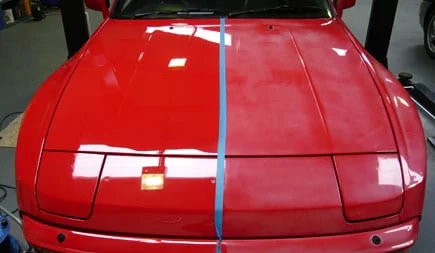
Has your car’s paint started looking dull, faded or uneven even after washing? The problem may be related to paint oxidation, clear coat damage or another surface defect.
Singapore’s strong sunlight, frequent rain and everyday environmental exposure can affect a vehicle’s exterior over time. Understanding the difference between oxidation and clear coat failure helps you choose the right treatment instead of spending money on a service that cannot solve the underlying problem.
What is car paint oxidation?
Paint oxidation is a chemical process that occurs when the paint surface deteriorates through exposure to oxygen and environmental conditions. On affected vehicles, the finish may lose its gloss, appear chalky or look faded.
The severity depends on the paint system, vehicle age, maintenance history and extent of deterioration.
What is clear coat damage?
Many modern vehicles have a clear protective layer over the coloured base coat. This clear coat contributes to gloss and helps protect the underlying paint.
Clear coat damage can appear as peeling, flaking, cloudy patches or areas where the finish has visibly deteriorated. Unlike mild surface dullness, significant clear coat failure may require refinishing rather than ordinary detailing.
How can you tell the difference?
Signs that may indicate oxidation
- The paint looks dull or faded.
- The finish has lost some of its gloss.
- The surface appears chalky or uneven.
- The appearance improves somewhat after appropriate cleaning or surface treatment.
Signs that may indicate clear coat failure
- Transparent layers appear to be peeling or flaking.
- Certain panels look cloudy or patchy.
- The finish has visible areas of deterioration.
- The damage remains obvious after normal washing.
These signs are only an initial guide. Other problems, including staining, contamination and previous poor-quality repairs, can produce similar appearances.
Can polishing fix oxidised car paint?
Sometimes. If the problem is limited to suitable surface-level defects and enough clear coat remains, professional paint correction may improve gloss and clarity.
However, polishing removes a small amount of the paint’s surface layer. It should not be performed aggressively or repeatedly without assessing the paint condition.
If the clear coat is peeling or has failed significantly, polishing generally cannot restore the missing protective layer. Refinishing or repainting may be required.
How can you protect your car’s paint in Singapore?
A sensible paint care routine includes regular washing with suitable products, prompt removal of contaminants and avoiding abrasive cleaning methods. Parking in covered areas when practical can also reduce direct environmental exposure.
Paint protection treatments, including ceramic or graphene coatings, may help with maintenance when applied to a properly prepared surface. However, coatings do not repair failed clear coat or reverse every type of paint damage.
When should you seek professional paint correction?
Consider an assessment if your vehicle has persistent dullness, uneven gloss, oxidation-like marks or uncertainty about whether the clear coat is damaged.
A professional inspection can help distinguish defects that may respond to detailing from damage that requires refinishing.
Restore your car’s appearance with KlarDetails
KlarDetails offers car detailing and paint-related treatments in Singapore. The appropriate approach depends on the condition of your vehicle’s paint and the finish you want to achieve.
Explore KlarDetails’ detailing services or contact the team to discuss your car’s paint condition and suitable options.
