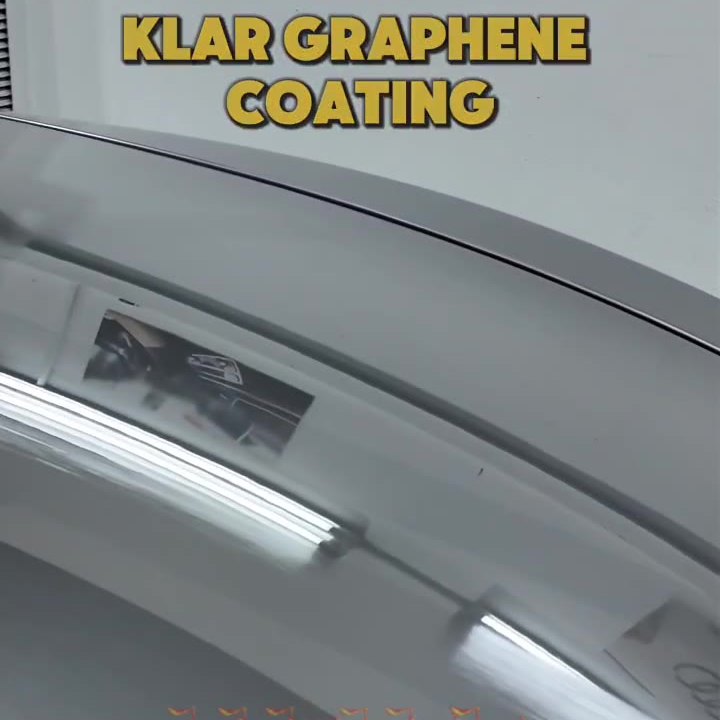
Both coatings protect paint well. Choose ceramic for a proven, glossy finish with simple upkeep over about 1 to 2 years. Choose graphene if you want the longest protection, better heat behaviour and stronger water repellency, rated up to 3 to 5 years with proper maintenance.
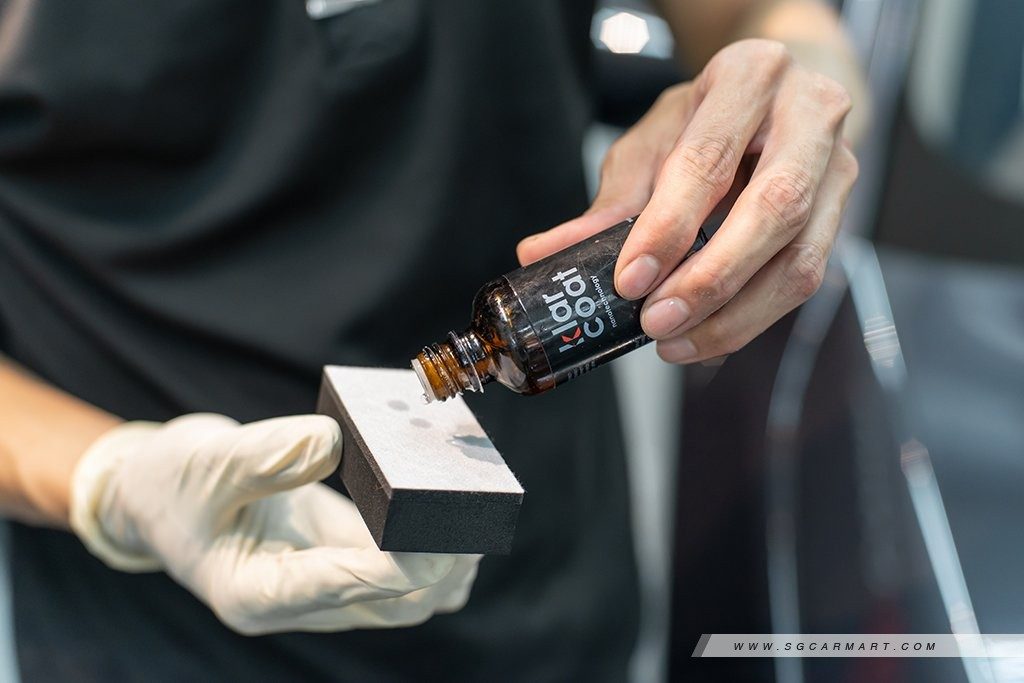
What does each coating offer?
Ceramic coating forms a hard, glossy layer that resists UV, light chemicals and water. It is the familiar, well-understood option and suits owners who want strong protection with a straightforward upkeep routine.
Graphene coating uses a carbon-based formulation that adds better heat dispersion and water behaviour on top of the same protective role.
How do they differ?
| Factor | KlarCOAT ceramic | KlarGRAPHENE |
|---|---|---|
| Typical durability | About 1 to 2 years with minimal upkeep | Up to 3 to 5 years with proper maintenance |
| Heat behaviour | Good | Better heat dispersion |
| Water repellency | Strong beading | Strong beading, slicker feel |
| Upkeep | Regular careful washing | Regular careful washing, half-yearly maintenance |
Durability figures assume proper maintenance. Neglect shortens any coating, however good the product.
Which one handles Singapore's humidity better?
Humidity and frequent rain mean water spotting and mould-friendly conditions around the car. Both coatings help water run off. Graphene's edge shows when the car is parked outdoors under strong sun, where heat dispersion and a longer service life count for more.
Neither coating makes paint scratch-proof or removes the need for a proper wash routine.
If you wash the car regularly and keep up maintenance, either coating will make the climate far easier to live with.
How should I choose?
- If you plan to keep the car for several years, favour graphene.
- If you want a high-quality result at a measured commitment, ceramic is a sound choice.
- If the paint is already marked, plan on paint correction first.
Our ceramic coating service at Klar Details and the graphene option both begin with a free assessment, so you can decide with the car in front of you.
What happens after coating?
Look after the coating and it looks after the paint. Our guide on why we use pure water for the final rinse explains one of the simplest ways to protect both.
What should I avoid after either coating?
Keep to a few simple habits. Avoid automatic brush washes, harsh degreasers and leaving water to dry in direct sun. Use a clean mitt and a soft drying towel, and rinse bird droppings off promptly.
Following these habits matters more than which coating you chose, and it is the surest way to reach the longer end of each coating's range.
Questions
Is graphene always better than ceramic?
Not always. Graphene suits owners who want maximum durability and heat performance. Ceramic is an excellent choice when you want strong protection with a shorter commitment. The right answer depends on how long you keep the car, where it is parked and how much upkeep you expect to do.
Can I put graphene over an existing ceramic coating?
It depends on the condition of the existing layer. We inspect the surface at the free assessment and advise whether it should be maintained, removed or prepared before a new coating goes on. A clean, properly prepared surface is what lets the new layer bond well.
Do both coatings need maintenance?
Yes. Both last longer with regular safe washing and periodic maintenance. KlarMAINTENANCE is offered half-yearly and tops up the coating with a KlarSHIELD layer at each visit, so the surface keeps its slickness and water behaviour between full recoats. If you are unsure, ask us during the free assessment and we will explain the options clearly.
How long does the application take?
A signature exterior treatment takes at least 6 man-hours, because preparation, application and curing cannot be rushed. Typically two layers are applied where suitable, with setting time between them. We confirm the schedule when you book your slot. If you are unsure, ask us during the free assessment and we will explain the options clearly.
Related service
Ceramic CoatingKlarCOAT